
Our story
The Bookbag story
It began with a raffle ticket, a canopy we couldn't afford, and one simple question. Why is all this money going to Big Tech, and none of it to the school?
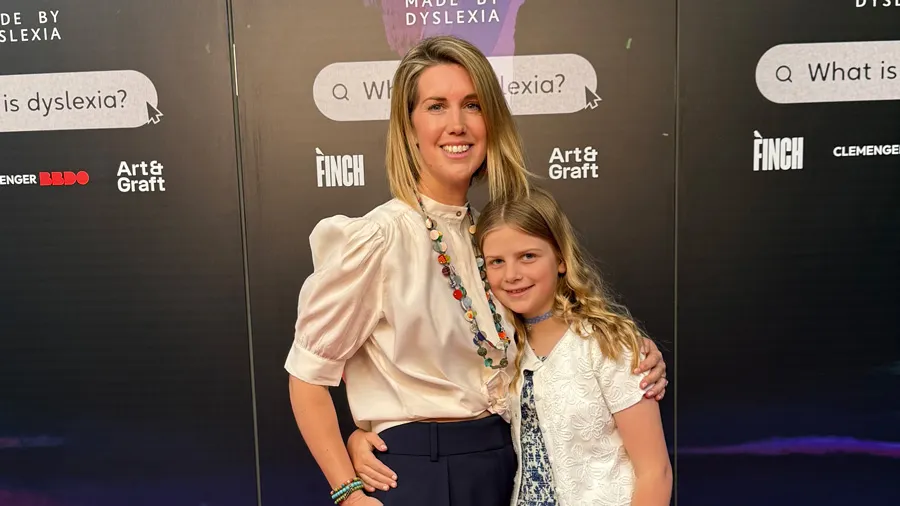
I've spent five years fundraising for my daughter's school, three of them as treasurer of our PFA.
If you've done it, you know the shape of it. The quiz nights, the discos, the raffles, the Frozen Fridays. The same handful of parents volunteering again and again, and all the work nobody sees.
This year we needed £9,000 for a canopy, so the children had somewhere sheltered to play. By the summer term we were £3,000 short with six weeks to find it, back to the ice creams and the raffle tickets.
Then one day a flyer went home in every book bag. A glossy advert from a national brand, reaching every family in the school, for free. And I stood there thinking: we're scraping for £3,000 a frozen lolly at a time, and a company with a marketing budget just reached all of our families for nothing, and the school won't see a penny.
That was the moment it clicked, and then it got bigger.
It isn't just the odd flyer. Brands spend a fortune to reach families like ours, and most of it goes to Meta and Google. Parents and children, together at the kitchen table, are exactly the audience those companies sell. Schools sit right in the middle of it and see none of the money.
The book bag channel
60% of every fee goes straight to the school. No cost to take part, no leaning on parents, no data risk.
The book bag, it turned out, is already a channel. Trusted, personal, opened by a parent and child together. Everything a brand pays Big Tech to reach, without the school ever getting a share.
So we set out to move some of that spend somewhere better. My husband Adrian had spent over a decade in media, so he understood the advertising side, and how to build it safely. We agreed two things could never be compromised. No child's data is ever collected or shared. And the school never has to choose or vouch for a business itself. Bookbag vets every advertiser against published advertising standards, and the school keeps a final yes or no on every sheet.
The idea is simple. Trusted businesses fund fun activity sheets, colouring pages, puzzles, scavenger hunts, that go home in the book bags. 60% of every fee goes straight to the school. No cost to take part, no leaning on parents, no data risk.
People ask whether the sums are worth it. At our school, three campaigns a year would raise around £540. That doesn't sound like much until you know it covers our 100 Reads books and the reading tea party, the small things the children would genuinely miss. It's all those little bits that add up.
We started at our own school, because that's where the frustration started. The aim now is bigger: to redirect a slice of the money brands pour into Meta and Google, and turn it into over £1 million a year for UK primary schools that need it.
That's Bookbag.
It began with a raffle ticket, a canopy we couldn't afford, and one simple question. Why is all this money going to Big Tech, and none of it to the school?
Nic Hopper, Co-Founder, Bookbag
Bring Bookbag to your school, or your brand
Whether you run a school looking for a new way to fund the small things that matter, or a business that wants its marketing to leave something behind, we'd love to hear from you.